
"Indonesian Robusta"
500 article(s) found

Indonesian Java Coffee Robusta Coffee Raw beans introduction to the History of Robusta Coffee beans Robbs
In the early 1970s, Java cut down Arabica trees introduced by most Dutch and planted Robbosa beans instead. Since then, Java coffee has become greasy, plain and has a strong smell of wheat and tea. Among the few remaining Arabica estates, Djampit is the most famous. These beans are similar to other Indonesian beans, but with obvious sour taste and no texture.

Indonesian Coffee Industry Export and production of Indonesian Coffee beans Robusta makes instant coffee
Indonesia is the world's third largest coffee producer and exporter after Brazil and Vietnam. Indonesian companies offer a full range of quality coffee, from the ordinary Robusta variety to the outstanding Arabica coffee and the famous kopi luwak Indonesian Kopi Luwak. Over the past few decades, national coffee production has increased, although not linearly, because of the harvest.

Indonesian Java Robsta Coffee can replace Arabica _ Java Robusta Coffee Bean Cup Meter
Professional coffee knowledge exchange more coffee bean information please follow coffee workshop (Wechat official account cafe_style) Robusta Robusta Indonesian coffee representatives have Java and Sumatra Mantenin, it is generally believed that Indonesian coffee bean flavor is mellow and not high acidity, but also with a similar flavor of traditional Chinese medicine and soil, rich texture, quite distinctive. For example, Robes from Java

World Boutique Coffee Estate Indonesia Coffee Beans: Introduction to Indonesian Java Robusta Green Beans
In the early 1970s Java cut down most of the Arabica trees introduced by the Dutch and planted them with robusta beans, and since then Java coffee has become greasy, bland and has a strong smell of wheat tea. Indonesia Java robusta green bean In the early seventies Java introduced most Dutch Arabi

Cat poop coffee bean species Wild Robusta and captive Arabica
The types of cat feces coffee beans are wild Robusta species and captive Arabica species. Normal Indonesian wild civets live at an altitude of about 1200 meters. Indonesian coffee beans at this altitude are generally Robusta coffee beans, so the natural Indonesian cat feces coffee beans are generally Robusta coffee beans. Artificial cat feces coffee beans will feed civets better ah

Cat poop coffee bean species wild Robusta and captive Arabica
The species of cat poop coffee beans include wild robusta species and captive Arabica species. Normal wild Indonesian civets live about 1200 meters above sea level. Indonesian coffee beans at this altitude are generally robusta coffee beans, so the natural species of Indonesian cat poop coffee beans are generally Robusta coffee. Captive cat poop caffeine, it is better to feed civets.

The Origin of Indonesian Coffee the Historical Development of Indonesian Coffee beans the introduction of Robusta Coffee beans
Indonesian Coffee: know the origin of your coffee Modern Indonesia was one of the first countries in the world to start growing coffee commercially before most of Africa, most of Asia and the Americas. Although Indonesian coffee has a history of 400 years, unfortunately, it is full of cruel colonialism, disease and struggle. Coffee is still Indonesia to this day.
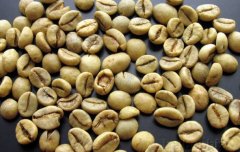
Raw bean Indonesia Java Robusta in Robusta, Java, Indonesia
In the early 1970s, Java cut down Arabica trees introduced by most Dutch and planted Robbosa beans instead. Since then, Java coffee has become greasy, plain, and has a strong smell of wheat and tea.

The origin and development of Indonesian West Java coffee beans
Java coffee planting environment and the main producing area Robusta (Robusta) is a low-land cultivation, high temperature resistance, drought resistance, rain, pests, adaptability is very strong, in the flat can grow very well, harvest does not necessarily need manual, can be completely carried out with vibration machines. Robusta coffee, which is commonly used in blending, has two main types: A. P. Robusta and W.I.B.Robu.
Coffee beans Indonesia Java Robusta raw beans Indonesia Java Robusta
In the early 1970s, Java cut down Arabica trees introduced by most Dutch and planted Robbosa beans instead. Since then, Java coffee has become greasy, plain and has a strong smell of wheat and tea. Among the few remaining Arabica estates, Djampit is the most famous. These beans are similar to other Indonesian beans, but with obvious sour taste and poor texture.

Introduction to the characteristics of Indonesian Java Coffee Flavor and Manor production area
The Dutch first spread coffee to Central and South America in the 1820s. Coffee spread from the Dutch colonies to French Guiana and Brazil. During their colonization, the Dutch grew coffee in Malaba, India, and brought it to Batavia in what is now Java, Indonesia, in 1699. The Dutch colony once became Europe.

What is the Ateng in coffee? Sumatra and Indonesian island coffee are dominated by Ateng?
An improved Aten coffee Ateng is the common name for Catimor coffee, which is widely grown in Sumatra and other Indonesian islands. Ateng has several subtypes and is the common name for Catimor coffee widely grown in Sumatra and other Indonesian islands. More Timorese choice categories Timor variety Hibrido de Timor abbreviated as HdT
Boutique Robusta Coffee Beans Bali Garden Beans
Although Bali coffee is a member of Indonesian coffee, Bali coffee farmers feel that the quality of Indonesian coffee is uneven and does not match the quality of Bali coffee, so they set up their own doors and call themselves Bali coffee to show the difference with Indonesian coffee. Bali is not only rich in Arabica coffee beans, but also rich in Roast coffee. The protagonist of this article is
Characteristics and uses of Robusta coffee beans how to mix Indonesian coffee beans and Vietnamese coffee beans
Professional coffee knowledge exchange more coffee bean consultation Please pay attention to the coffee workshop (Wechat official account cafe_style) boutique coffee beans, hear the most is Arabica coffee beans, then when it comes to Robusta coffee beans, is not in the boutique coffee scope, and Robusta may only know that the flavor is not very good, used in the commercial bean this impression, then today the front street coffee

A brief introduction to the treatment method of grinding degree and baking degree of Indonesian West Java boutique coffee beans with strong flavor
At present, 90% of the coffee beans exported from Indonesia are Robusta beans, and only 10% are Arabica. Before 1920, due to a major environmental disaster, Indonesian coffee varieties were replaced with Robusta beans, so Mandarin coffee in Sumatra is a rare Arabica bean, a treasure before it was discovered in the Blue Mountains. The output of such authentic products is also very small.

Delicious coffee in Indonesia. Indonesian coffee beans. How about Indonesian coffee?
Professional coffee knowledge exchange more coffee bean information please follow the coffee workshop (Wechat official account cafe_style) Indo-Sinia coffee in Indonesia there are two main kinds of coffee, Arabica coffee and Robusta coffee. Today, Indonesia has a total area of about 1.24 million hectares of coffee plantations, 933 hectares of Robusta plantations and 307 hectares of Arabica plantations.

A Brief Introduction to the Grinding Degree and Roast Degree Treatment Method of Indonesian West Java Fine Coffee Beans with Nutty Flavor
Indonesian coffee is generally not crowned with Indonesian names, but directly with island names, such as Java and Sumatra, which were later brought to Jamaica by the British. By 1925, coffee cultivation had become a tradition in Central and South America. That same year, coffee was grown in Hawaii, the only coffee producer in the United States, and Hawaiian coffee is one of the best in the world. mesh

Introduction to the characteristics of Indonesian boutique coffee Java coffee flavor manor area
The Dutch first spread coffee to Central and South America in the 1820s. Coffee spread from the Dutch colonies to French Guiana and Brazil. During their colonization, the Dutch grew coffee in Malaba, India, and brought it to Batavia in what is now Java, Indonesia, in 1699. The Dutch colony once became Europe.

Flavor and taste characteristics of Indonesian Java Coffee introduce Java boutique coffee beans in manor producing area
Later, it was brought to Jamaica by the British. By 1925, growing coffee had become a tradition in Central and South America. In the same year, Hawaii also began to grow coffee, which is the only coffee producer in the United States, and Hawaiian coffee is one of the best coffee in the world. At present, 90% of the coffee beans exported from Indonesia are Robusta beans, and only 10% are Arabica,1920.
Indonesian civet coffee (Kopi Luwak) Kopi Luwak
Most coffee lovers are familiar with the name civet, because of its craftsmanship and price, which seem to cast a mysterious veil over civet coffee. Let the world, let many friends who love coffee are difficult to see in person. Muskcat poop civet, Indonesian Luwak, is grown on the Indonesian island of Sumatra.